The Cool Kid: A Designer’s Review for Real Stitching
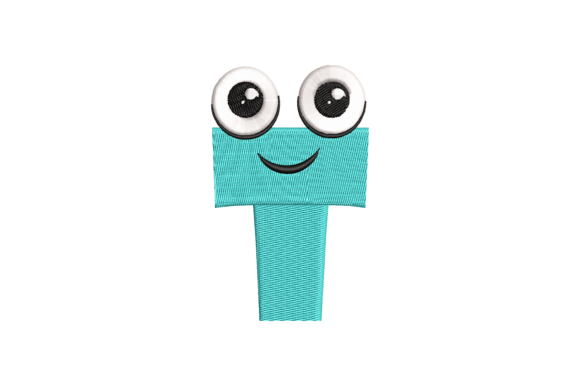
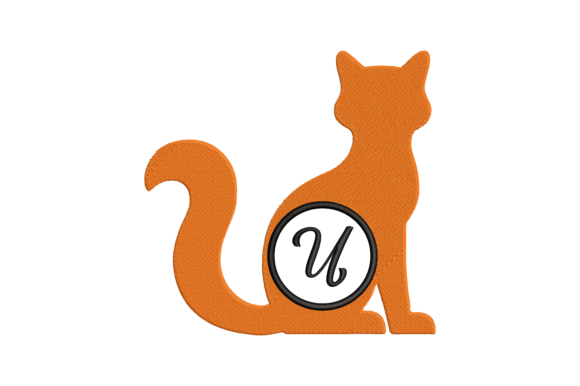
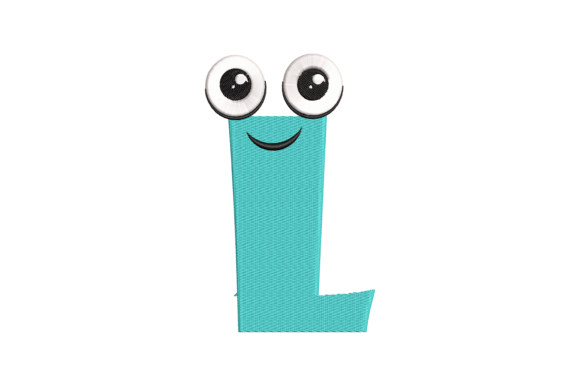
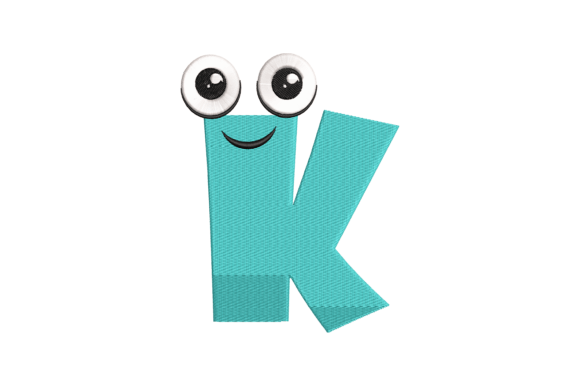
As an embroidery designer who spends more time staring at digitized paths than I do sleeping, I have learned that not every cute graphic translates well to thread. We have all been there: you see a charming illustration online, imagine it on a tote bag, and rush to download the machine embroidery design. But once it hits the fabric, the details muddy up, the pull compensation warps the shape, or the stitch count is so high it turns your soft cotton into a cardboard shield. That is why I approach every new file with a critical eye. Today, I am taking a close look at The Cool Kid, a design marketed for its whimsical charm, to see if it holds up under the needle.
First Impressions: Mood and Visual Personality
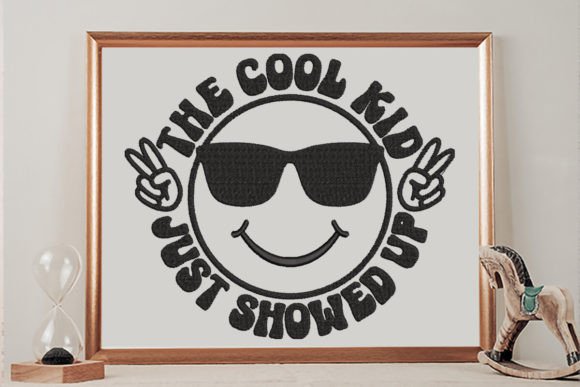
When I first loaded the preview of The Cool Kid, the immediate vibe was playful and relaxed. It does not try too hard. In the world of Back To School trends, we often see overly aggressive lettering or cluttered compositions. This design feels different. It has a laid-back confidence that appeals to both children and adults who appreciate a touch of nostalgia. The lines appear clean, suggesting a thoughtful balance between satin stitch borders and fill stitch interiors. For a designer, this is crucial. Clean lines mean fewer jumps and a smoother finish, which directly impacts the perceived quality of your finished product.
The visual personality here is versatile. It is not strictly juvenile, which opens up a wider market. I can envision this working equally well on a rugged denim jacket for a teenager or a soft muslin swaddle for a newborn. That cross-generational appeal is rare and valuable for Etsy sellers and small shop owners looking to maximize the utility of a single digital embroidery file.
Real-World Application: From Mockup to Merchandise
To truly evaluate The Cool Kid, I mentally placed it into several common production scenarios. Let us start with custom apparel. I pictured this stitched onto the left chest of a heather grey sweatshirt. The design’s scale seemed appropriate for this placement—not so large that it overwhelms the garment, but detailed enough to be noticed. For sweatshirt embroidery, density is key. If the design is too dense, the fabric puckers; too light, and the garment shows through. Based on the preview, this design appears to have a moderate stitch density, making it a strong candidate for fleece and cotton blends without requiring excessive backing.
Next, I considered home decor. A tote bag design needs to withstand friction and weight. I imagined The Cool Kid centered on a canvas tote. Here, the whimsical accent mentioned in the description shines. It breaks up the monotony of plain fabric, adding a personalized touch that elevates a basic item into a handmade product worth a premium price. For commercial embroidery projects, such as boutique branding or craft fair merchandise, this kind of approachable imagery builds customer trust. It feels friendly and accessible, encouraging buyers to engage with your brand.
I also thought about its potential as an embroidered patch. Patches are trending heavily right now. If the edges of this design are cleanly digitized with a tight satin border, it would cut well and apply neatly to hats or backpacks. This versatility makes it a smart addition to any design assets library for a creative entrepreneur.
Technical Considerations and Fabric Challenges
While the aesthetic is strong, practical execution requires caution. No design is universal, and The Cool Kid is no exception. If you are planning to stitch this on thin or stretchy fabrics, such as jersey knits for baby embroidery projects, you must prioritize your stabilizer choice. A cut-away stabilizer is likely necessary to prevent distortion, especially if the design contains any larger filled areas. The "cool" factor disappears quickly if the fabric gathers around the stitches.
Dark fabrics present another challenge. If you are stitching this on navy or black, you need to ensure your thread colors have enough contrast. I recommend running a test on scrap fabric first. Check how the lighter tones in the design pop against the dark background. Sometimes, a design that looks vibrant in a colorful printable mockup loses definition in real life due to poor color separation. Additionally, inspect the small details. If The Cool Kid includes tiny elements or fine lines, verify that they do not become lost in the texture of towels or terry cloth. For holiday embroidery gifts like kitchen towels, simpler is often better, so ensure the resolution holds up on textured surfaces.
Curved surfaces, like caps, require careful hooping. If this design is wide, it might not fit comfortably in a standard cap frame without distorting. Always confirm the hoop size requirements before purchasing. If the design is too large for a 4x4 hoop but too small to justify a 5x7 setup for a small item, it may limit your production efficiency.
Enhancing Product Value and Brand Consistency
Why choose The Cool Kid over hundreds of other options? It comes down to brand consistency and buyer engagement. For craft business owners, having a cohesive style helps build recognition. This design fits naturally into a collection of whimsical, high-quality items. It does not scream for attention; instead, it invites a closer look. This subtlety enhances the perceived value of your personalized gift offerings. Customers are more likely to trust a seller whose designs look professional and well-integrated into the fabric, rather than slapped on top.
When creating listings for your small shop product line, use this design to showcase your technical skill. Highlight the clean stitching and the choice of high-quality threads. Show close-up photos of the actual embroidery, not just digital renderings. This transparency builds confidence. Whether you are selling custom apparel or home accents, the quality of the stitch work reflects directly on your professionalism.
Practical Notes for the Embroidery Professional
Before you commit to a large batch of production, take these steps to ensure success with The Cool Kid:
- Test on Scrap Fabric: Always run a test stitch-out on the exact fabric type you plan to use. This reveals tension issues and density problems early.
- Check Thread Contrast: Ensure your chosen thread colors provide sufficient contrast, especially on dark or patterned fabrics.
- Review Stitch Density: If the design feels heavy, consider editing the density in your software if you have the rights, or choose a lighter fabric weight to balance it.
- Confirm Hoop Size: Verify that the design fits your available hoops without unnecessary re-hooping, which can cause alignment errors.
- Inspect Small Details: Zoom in on the digitizing. Look for redundant jumps or poorly connected paths that could cause thread breaks.
- Use Proper Stabilizer: Match your stabilizer to the fabric. Use cut-away for knits and tear-away for stable wovens.
- Verify Licensing: Before selling finished items or using this in commercial embroidery projects, confirm the license terms provided with the embroidery file. Ensure you have the right to sell physical products made with this design.
In conclusion, The Cool Kid offers a charming, versatile option for designers looking to add a whimsical touch to their collections. It performs best when treated with the respect any good design deserves: proper testing, thoughtful fabric selection, and attention to technical detail. For the embroidery project that needs to feel both fun and professional, this design is a solid contender. Just remember, the magic is not just in the file, but in how you bring it to life on fabric.