Reviewing Hello Preschool: A Designer’s Take
As a designer who spends more time staring at stitch maps than actual fabric, I have learned that the difference between a good machine embroidery design and a great one often comes down to context. It is not just about how pretty it looks on the screen; it is about how it behaves under the needle, how it wears after five washes, and whether it actually sells when placed on a finished product. Recently, I pulled up Hello Preschool to evaluate its potential for my upcoming seasonal lineup. This isn't just another cute graphic; it is a specific tool for the Back To School market, and I wanted to see if it held up to professional scrutiny.
First Impressions: Mood and Visual Personality
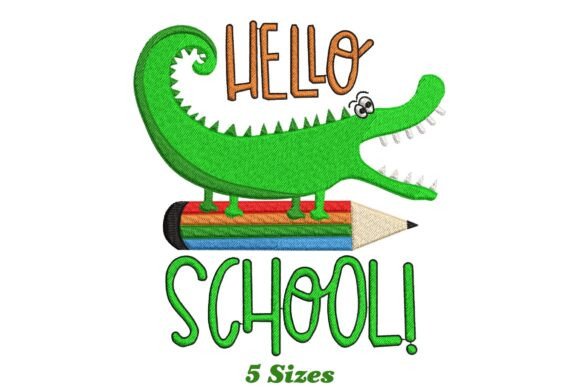
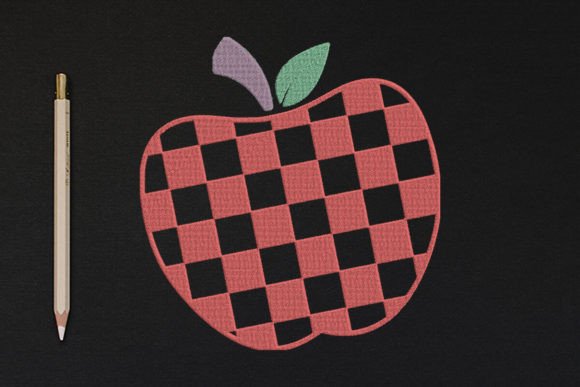
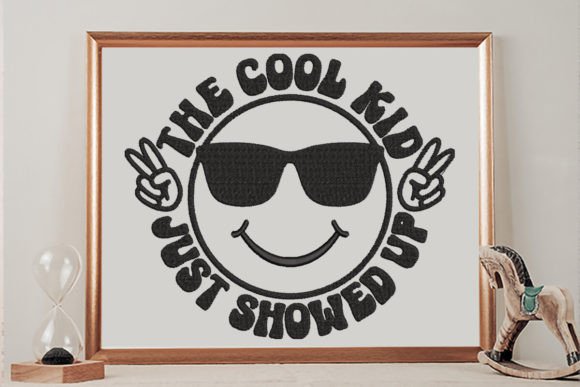
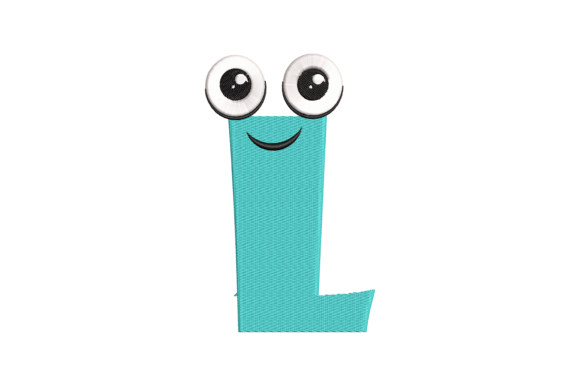
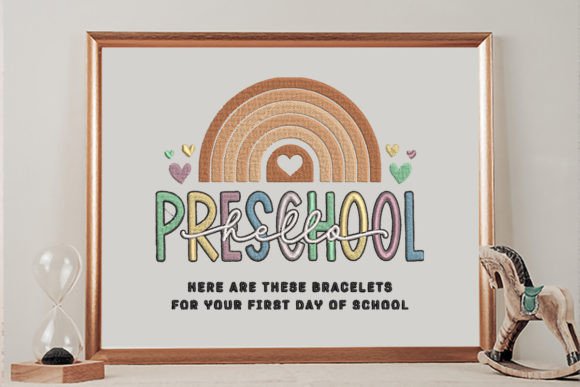
The first thing that strikes you about Hello Preschool is its inherent charm. It avoids the overly rigid, corporate look that some educational-themed designs fall into. Instead, it offers a whimsical, approachable aesthetic that feels handmade even before it hits the fabric. The layout is balanced, with a visual weight that suggests it was designed with readability in mind. For an embroidery project targeting young children or nostalgic parents, this mood is critical. It feels friendly, safe, and exciting all at once.
From a technical standpoint, the shape and detail level appear well-considered. It does not rely on microscopic details that will inevitably break or bunch up during production. The lines are clean, suggesting a mix of satin stitch borders and potentially fill stitch interiors, though the exact density would need verification in your specific software. This balance is vital for maintaining clarity, especially when scaling the design for different applications.
Real-World Application: The Tote Bag Test
To truly understand the value of an embroidery file, I mentally place it on a real product. Let’s consider a custom canvas tote bag, a staple for any Etsy seller or craft business owner during the late summer rush. Canvas is a textured, heavy fabric. A design like Hello Preschool needs enough substance to stand out against that weave without sinking into it.
If I were stitching this for a client, I would be looking at how the text interacts with any accompanying graphics. Does the lettering remain legible from three feet away? In my assessment, the bold nature of the theme suggests it would perform well here. It creates an instant emotional connection for a parent dropping their child off for the first time. It transforms a simple bag into a personalized gift or a cherished keepsake. This is where the design earns its keep: it adds perceived value to a basic item, allowing you to charge a premium for a small shop product.
Versatility Across Product Lines
Beyond totes, where else does this design shine? I see strong potential in sweatshirt embroidery. A heather grey crewneck with this design centered on the chest becomes an instant bestseller for preschool teachers or proud grandparents. The whimsical accent mentioned in the description fits perfectly here. However, you must consider the fabric stretch. Sweatshirts are often thick and slightly spongy. You will need a robust cut-away stabilizer to prevent the design from puckering over time.
For baby embroidery, such as onesies or burp cloths, the scale becomes the primary concern. If the design is too large, it will overwhelm a small garment. If it is too small, the fine details might get lost. I recommend creating a printable mockup at various sizes to gauge the visual impact before committing thread to fabric. This step saves both time and materials, crucial for maintaining healthy margins in a craft business.
Technical Considerations and Potential Pitfalls
No design is perfect for every scenario. While Hello Preschool is versatile, there are areas where caution is required. If you are working with thin or stretchy fabrics, such as jersey knits for t-shirts, the stitch density becomes a critical factor. High-density areas can cause the fabric to pucker or tear, especially if the garment will be washed frequently. Always test on scrap fabric first. This is non-negotiable for professional results.
Another consideration is color contrast. The design likely relies on specific thread colors to convey its cheerful tone. On dark fabrics, you may need to adjust the palette or add an underlay to ensure the colors pop. Conversely, on white or light pastels, ensure that any light-colored threads have enough definition to remain visible. I often test designs in black and white mockups to check for contrast issues before threading the machine.
Curved surfaces, like caps or hats, present another challenge. If you plan to use this as an embroidered patch or stitch it directly onto a cap, be mindful of the hoop size and the curvature. Distortion can occur if the design is too wide for the cap's front panel. In such cases, simplifying the design or reducing the size might be necessary to maintain professionalism.
Enhancing Brand Consistency and Customer Trust
For commercial embroidery professionals and boutique owners, consistency is key. Using a high-quality design like Hello Preschool helps build brand trust. When customers receive a product where the stitching is clean, the alignment is perfect, and the design is appropriate for the occasion, they are more likely to return. This design supports that goal by offering a polished, cohesive look that fits well within the Back To School narrative.
Moreover, the versatility of the design allows for creative marketing. You can create design assets for social media, showing the design on various products like aprons, pillow covers, or tea towels. This visual variety engages buyers and helps them envision the product in their own lives. It moves the item from a simple commodity to a desirable lifestyle accessory.
Practical Notes for the Embroiderer
- Check Licensing: Before selling finished items or digital products, confirm the license terms associated with the digital embroidery file. Ensure you have commercial rights if you plan to sell the stitched goods.
- Stabilizer Selection: Match your stabilizer to your fabric. Use cut-away for knits and tear-away for woven fabrics to ensure longevity.
- Thread Quality: Invest in high-quality rayon or polyester threads. The sheen of the thread can significantly enhance the visual appeal of the satin stitches.
- Test Stitch: Always run a test stitch on similar fabric to check for registration issues and thread breaks.
- Hoop Size: Verify that your hoop size accommodates the design dimensions without needing to re-hoop, which can lead to alignment errors.
Final Verdict: Is It Worth the Stitch?
In the crowded market of Embroidery designs, Hello Preschool stands out as a practical, charming option for the seasonal rush. It is not just a graphic; it is a solution for creators looking to add a touch of whimsy to their handmade product lines. Whether you are creating holiday embroidery gifts for teachers or stocking up on custom apparel for local families, this design offers the flexibility and visual appeal needed to succeed.
Remember, the success of the final product depends on your execution. Pay attention to the details, respect the fabric, and let the design do what it does best: bring a smile to the face of the wearer. For small business owners and hobbyists alike, Hello Preschool is a solid addition to your library, provided you approach it with the technical care it deserves.