Reviewing Teacher is a Work of Heart for Craft Fairs
As an embroidery designer who has spent countless weekends behind a folding table at local markets, I have learned that not every design translates into a bestseller. Some designs look beautiful on a screen but fail to catch the eye in a busy booth. Others are so complex that they eat up production time, killing profit margins. Today, I am putting the Teacher is a Work of Heart, Teacher machine embroidery design under the microscope. This review is written specifically for craft fair sellers, Etsy shop owners, and handmade entrepreneurs who need to know if this digital embroidery file is worth their hoop time.
First Impressions: The Emotional Hook
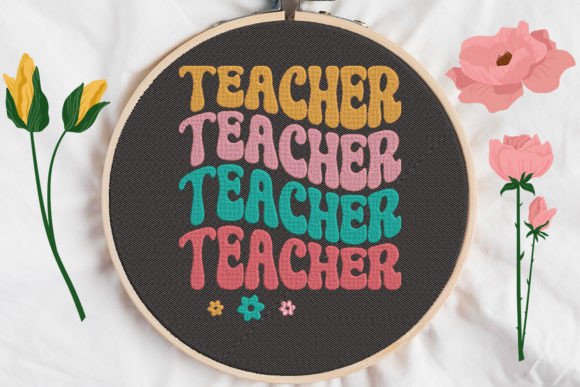
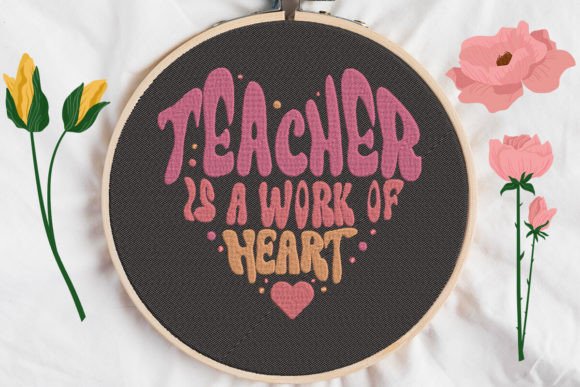
The moment I loaded the preview for Teacher is a Work of Heart, Teacher, the vibe was unmistakable. It sits perfectly at the intersection of heartfelt sentiment and playful charm. In the world of Back To School merchandise, we often see two extremes: overly academic, stiff graphics or chaotic, cartoonish clutter. This design avoids both traps. It feels warm, appreciative, and slightly whimsical.
For a craft fair product, emotional resonance is key. Teachers are notoriously underappreciated, and parents are always hunting for gifts that say "thank you" without feeling generic. This design captures that gratitude visually. It does not scream for attention with neon brightness; instead, it invites a closer look. That subtle pull is exactly what you want when a potential customer is walking past your booth. It suggests quality and thoughtfulness, which are essential for positioning your handmade product as a premium item rather than a cheap novelty.
Product Versatility and Market Fit
The true test of any embroidery file is its adaptability. Can it survive on different fabrics? Does it scale well? Here is how I see Teacher is a Work of Heart, Teacher performing across various small shop products.
- Tote Bag Design: This is arguably the strongest contender. A canvas tote with this design centered makes for an excellent teacher appreciation gift. The design likely has enough visual weight to stand out against the neutral background of natural cotton canvas. It turns a utility item into a statement piece.
- Apron Embroidery: Kitchen aprons are huge sellers in the handmade community. Placing this design on the bib of a bistro-style apron creates an instant connection. It suggests that the wearer cares about their craft, whether they are teaching children or cooking for a family.
- Tea Towel Embroidery: Textured towels can be tricky. If the design has fine details, they might get lost in the waffle weave. However, if used on a smooth flour sack towel, it adds a lovely decorative touch. It works best here as a corner accent rather than a massive central focal point.
- Embroidered Patch: Creating iron-on or velcro-backed patches is a smart way to use up scrap fabric. This design’s shape seems conducive to a clean cut-line. Patches allow customers to customize their own jackets or bags, expanding your target audience beyond just teachers.
- Caps and Hats: Curved surfaces are the enemy of dense stitching. If you plan to put this on a cap, ensure you check the stitch density. A high-density fill might cause puckering on the front panel of a baseball cap. Testing on a curved hoop is non-negotiable here.
Production Practicality for the Busy Maker
When you are preparing for a weekend craft fair, time is your most valuable currency. You cannot afford designs that require constant thread breaks or excessive trimming. From a production standpoint, Teacher is a Work of Heart, Teacher appears to be designed for efficiency. The lines look clean, suggesting a logical stitch path that minimizes jumps.
For batch production, consistency is vital. This design seems robust enough to handle repeated runs without significant variation in quality. However, you must consider the stitch density. If the heart element or the lettering is too dense, it can make the fabric stiff and uncomfortable, especially on clothing. Always run a test stitch on your actual production fabric. What looks good on muslin might behave differently on a thick denim or a silky polyester blend.
Photography is another critical factor. As an Etsy seller, you know that your listing images do the selling before the customer ever touches the product. This design photographs well because it relies on clear shapes and likely high-contrast thread colors. It creates a sharp, crisp image that pops in thumbnail views. Using a printable mockup can help you visualize these listings quickly, but nothing beats a real photo of the finished product on a textured surface to convey quality.
Technical Considerations and Careful Use
While the design is charming, there are technical pitfalls to avoid. Here are my professional notes for ensuring your commercial embroidery projects succeed:
- Fabric Texture and Contrast: Avoid using thread colors that blend too closely with the fabric. If you are embroidering on a dark navy tote, use bright or metallic threads to ensure the text remains legible. Low contrast kills readability, especially from a distance.
- Stabilizer Selection: Do not skimp on stabilizer. For stretchy fabrics like t-shirts or thin tea towels, use a cut-away stabilizer to prevent distortion over time. For stable woven fabrics like canvas or linen, a tear-away might suffice, but test first.
- Hoop Size Constraints: Check the specific dimensions of the design assets. If the design is large, you may need a 5x7 or 6x10 hoop. Ensure your machine can accommodate the required hoop size before you commit to buying the file. Smaller hoops may require splitting the design, which is rarely worth the effort for this type of motif.
- Small Lettering Risks: If the design includes small text elements, be wary of embroidering them on textured fabrics like terry cloth or heavy wool. The tiny stitches can sink into the pile and become unreadable. Stick to smooth fabrics for detailed lettering.
Boosting Brand Consistency and Buyer Engagement
Incorporating Teacher is a Work of Heart, Teacher into your lineup does more than just add inventory; it strengthens your brand narrative. It shows that you understand your customer’s needs. When a buyer sees this design on a pillow cover or a market bag, they perceive a level of care that mass-produced items lack. This perception increases the perceived value of your handmade product, allowing you to command a higher price point.
To maximize engagement, display this design on multiple items in your booth. Create a "Teacher Appreciation" corner. Group the tote bags, aprons, and patches together. This visual clustering draws the eye and encourages customers to imagine the possibilities. It transforms a single embroidery file into a cohesive collection.
Final Verdict for the Creative Entrepreneur
Before you start stitching, remember to verify the license terms. Ensure that your purchase of this digital embroidery file includes commercial rights if you plan to sell the finished product. Every designer has different rules, and respecting intellectual property is crucial for long-term success in the creative industry.
In conclusion, Teacher is a Work of Heart, Teacher is a strong candidate for your Back To School and year-round gift collections. It balances aesthetic appeal with production practicality. It is versatile enough to work on everything from sturdy tote bags to delicate tea towels, provided you adjust your stabilizer and thread choices accordingly. For the embroidery business owner looking to expand their catalog with meaningful, sellable items, this design offers a joyful and charming touch that resonates with buyers. Test it, tweak your tension, and watch it become a staple in your craft fair booth.