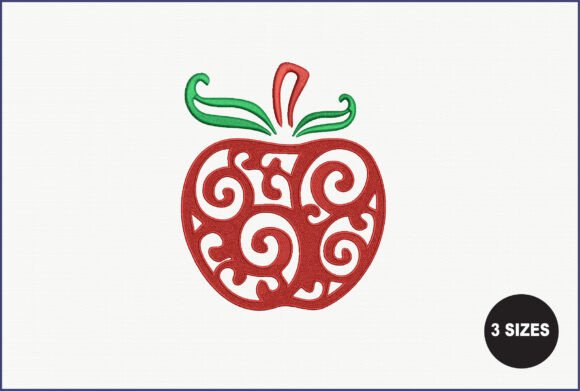
School Apple Embroidery: A Designer’s Craft Fair Review
As an embroidery designer who has spent countless hours behind the hoop and even more time standing behind a booth table at weekend markets, I have learned that not all designs are created equal. Some look beautiful on a screen but vanish in person. Others are so dense they ruin the fabric. Today, I am putting the School Apple Embroidery design under the microscope. This is not just a digital file; it is a potential revenue stream for your small shop. I am evaluating this piece specifically for its viability as a craft fair product and its appeal to the Back To School market.
First Impressions: Visual Appeal and Market Fit
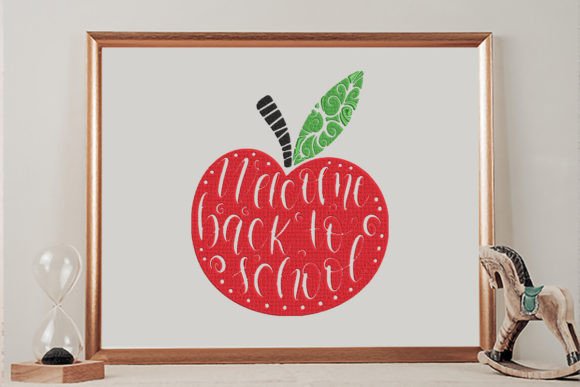
When I first loaded the School Apple Embroidery into my editing software, my immediate reaction was one of relief. In the world of seasonal Embroidery, it is easy to find designs that are overly complex or cliché. This design strikes a balance. It feels classic yet fresh. It does not scream "cheap novelty"; instead, it whispers "thoughtful gift." The aesthetic leans toward a clean, modern farmhouse vibe, which is currently dominating the handmade sector. For an Etsy seller or boutique maker, this visual language is crucial. It suggests quality without being intimidating.
The apple motif is universally recognized, making it an instant communicator. At a busy craft fair, you have seconds to catch a customer's eye. A design that is instantly understandable as a teacher appreciation gift or a student accessory performs significantly better than abstract art that requires explanation. This machine embroidery design succeeds because it is bold enough to be seen from three feet away but detailed enough to invite closer inspection.
Product Versatility: Where This Design Shines
The true test of any digital embroidery file is its versatility. Can it survive on different textiles? Does it scale well? Based on the description, this design is marketed for tote bags, aprons, and wall hangings. Let us break down how it performs on specific handmade product categories.
- Tote Bags and Market Bags: This is arguably the strongest application. A canvas tote with a centered tote bag design like this apple creates an instant bestseller. The flat surface of canvas allows the stitches to lay perfectly, showcasing the thread colors without distortion. It transforms a generic bag into a personalized statement piece.
- Apron Embroidery: Teacher gifts are a massive niche. An apron featuring this design moves beyond utility into the realm of keepsake. However, you must consider the placement. Chest-level placement works best here, ensuring the design is visible when the apron is worn.
- Tea Towel Embroidery: Kitchen textiles are high-volume, low-cost items. This design works well here, provided the stitch density is not too high. Thick clusters of thread can cause thin linen or cotton towels to pucker. If the design is optimized for light fabrics, it becomes a perfect add-on sale at your booth.
- Embroidered Patches: If you offer patches, this apple motif is ideal. It allows customers to customize their own jackets or backpacks. Patches are excellent for using up scrap fabric and testing new thread colors without committing to a large garment.
Production Realities: Stitch Density and Fabric Texture
Let us talk about the technical side. As a producer, your profit margin depends on speed and consistency. A design with excessive stitch density takes longer to run and uses more thread, eating into your profits. While I do not have the exact stitch count for this specific file, the visual simplicity suggests it is likely optimized for efficiency. This is vital for batch production during the busy Back To School season.
However, you must respect the fabric texture. On textured towels or thick denim, fine details can get lost. I recommend running test stitches on your intended materials. If the apple has small leaves or intricate shading, ensure they remain distinct on rougher fabrics. On smooth cotton or polyester blends, the design will pop with maximum clarity. Always use the correct stabilizer. For stretchy fabrics like t-shirts or caps, a cut-away stabilizer is non-negotiable to prevent distortion after washing.
Challenges with Curved Surfaces and Dark Fabrics
One area where many designers stumble is applying flat designs to curved surfaces, such as caps. If you plan to use this School Apple Embroidery on hats, be cautious. The curvature of the cap can distort the image. You may need to adjust the size or simplify the design further. Additionally, consider contrast. If you are stitching on dark navy or black fabric, ensure the thread colors of the apple are bright enough to stand out. A red apple on a burgundy shirt will vanish. Use a white or light green outline if necessary to create separation.
Boosting Sales: Photography and Branding
In the digital age, your printable mockup and product photography are just as important as the stitching. This design photographs beautifully because of its strong shape. When creating listings for your small shop product line, use natural lighting to highlight the sheen of the thread. Show the design in context: a tote bag filled with books, an apron tied around a waist holding a mug, or a wall hanging in a classroom setting.
Consistency is key to brand building. If your brand is known for rustic, wholesome goods, this apple design fits perfectly. It reinforces your brand identity. For commercial embroidery sellers, offering this as part of a bundle with other school-themed motifs can increase average order value. Buyers often look for sets, such as matching designs for a teacher and a student.
Designer Notes: Before You Hit Start
Before you commit to producing fifty units for the upcoming fair, follow these critical steps to ensure quality control:
- Test on Scrap Fabric: Never run a new embroidery file directly on your final product. Use scraps of the same material to check for puckering or thread breaks.
- Check Hoop Size: Confirm the required hoop size matches your machine’s capabilities. If the design is large, you may need a larger hoop or a multi-position strategy.
- Review Licensing: This is paramount. Ensure you have the rights for commercial embroidery. Most designers allow finished product sales, but some restrict digital redistribution. Read the terms carefully.
- Inspect Thread Contrast: Lay out your thread spools next to your fabric. Does the red look vibrant against the beige canvas? Does the green leaf blend in too much? Adjust your palette for maximum impact.
- Create a Real Mockup: Instead of relying solely on digital previews, stitch one sample item. Photograph it. This real-world asset will convert better than a computer-generated image.
In conclusion, the School Apple Embroidery design is a strong contender for your autumn inventory. It balances aesthetic appeal with practical production needs. By paying attention to fabric choice, stabilizer selection, and strategic marketing, you can turn this simple digital asset into a standout finished product that resonates with teachers, parents, and gift-givers alike. It is not just about stitching; it is about creating a connection through craft. And this design helps you do exactly that.