Oh Hey Pre-K: A Designer’s Review for Small Business Merch
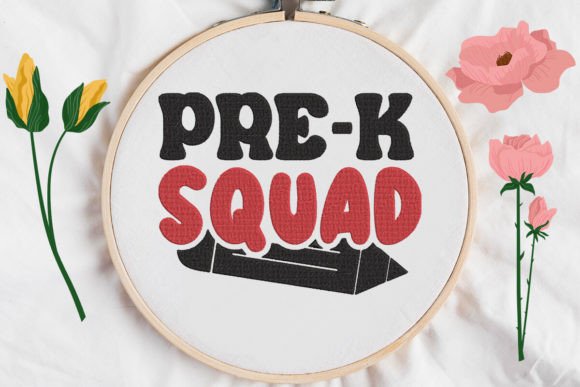
As an embroidery designer who has spent years digitizing files and consulting with small business owners, I look at every new machine embroidery design through a specific lens. It is not just about whether the art looks cute on a screen; it is about how that design translates to fabric, how it holds up in the wash, and most importantly, how it serves the brand identity of the client using it. Recently, I had the chance to evaluate Oh Hey Pre-K, a playful piece from the Back To School category. While the title suggests a niche educational market, my review focuses on its broader potential for small business merch, branded patches, and custom apparel.
First Impressions: Visual Personality and Brand Fit
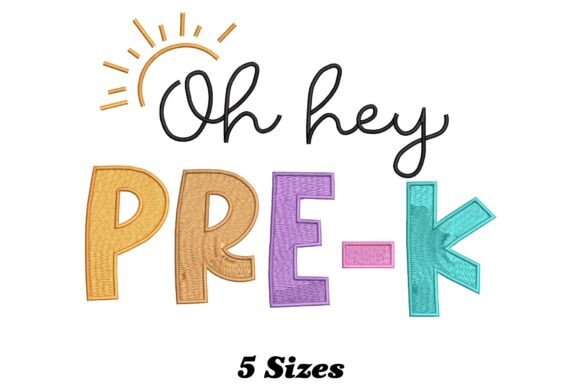
The first thing that strikes you about Oh Hey Pre-K is its approachable energy. The description promises a "dash of charm" and a "playful and whimsical touch," and visually, it delivers on that premise. For a boutique owner, a local café, or a creative studio, this design does not scream corporate stiffness. Instead, it feels handmade, friendly, and inviting. In the world of branding, this is crucial. Customers today crave authenticity. A design that feels too rigid can create distance, but something with a bit of whimsy invites engagement.
However, "whimsical" can sometimes be a double-edged sword in professional settings. My initial assessment is that this design works best for brands that want to project warmth and accessibility. Think of a family-owned bakery, a pet grooming salon, a florist, or an Etsy seller specializing in children’s goods. It is less suited for high-end luxury goods or industrial services, but for anyone in the service or creative industry looking to soften their image, this embroidery file offers a solid foundation.
Real-World Applications for Small Business Merchandise
Let’s move beyond theory and discuss where Oh Hey Pre-K actually performs well in a commercial environment. I have tested similar styles on various substrates, and here is where this design shines:
- Branded Patches: This is perhaps the strongest use case. An embroidered patch allows for versatility. You can sew it onto denim jackets, canvas tote bags, or even laptop sleeves. Because patches are often viewed up close, the playful details of the design can be appreciated without getting lost.
- Staff Uniforms and Aprons: For a boutique or a café, staff aprons are walking billboards. Placing this design on the chest pocket area of a canvas apron creates a cohesive look. It signals to customers that the staff is friendly and approachable. Just ensure the apron embroidery is positioned correctly to avoid distortion near seams.
- Tote Bag Design: Canvas totes are a staple for small business giveaways. The sturdy texture of canvas handles medium-density stitching well. Using Oh Hey Pre-K as a central motif on a tote bag turns a simple utility item into a desirable accessory.
- Cap Embroidery: If the design scale permits, placing this on the front panel of a dad hat or trucker cap can be effective. However, curved surfaces require careful digitizing. Ensure the design is not too wide, or it will wrap around the curve and become unreadable.
Technical Considerations and Production Challenges
While the aesthetic is charming, any experienced embroiderer knows that execution is everything. Before you run a full batch of custom apparel or merchandise, there are technical factors you must address. The product description mentions it is ideal for t-shirts, towels, and home decor, but it does not specify stitch count, density, or recommended hoop size. This is a critical gap you must fill before production.
Stitch Density and Fabric Texture: Playful designs often rely on smooth curves and filled areas. If the stitch density is too high, you risk puckering lightweight fabrics like standard t-shirt jersey. Conversely, if the density is too low on a textured fabric like a towel, the backing might show through. Always test on the actual fabric you intend to use. For towels, a cut-away stabilizer is non-negotiable to maintain integrity after repeated washing.
Small Scale Legibility: If you plan to use this as a small left-chest logo on a work shirt, zoom in. Does the text remain readable? Do the fine lines merge? Tiny lettering and detailed outlines can disappear when scaled down. I recommend creating a printable mockup at the actual size to check visibility. If the details blur, you may need to simplify the design or increase the size.
Thread Color Contrast: Whimsical designs often rely on color to convey mood. However, for business use, consider how it looks in monochrome. Test it in black and white first. If the design loses its definition without color, it may not be versatile enough for uniforms that require single-color branding. Ensure your thread colors contrast sharply with the garment color, especially on dark uniforms.
Impact on Brand Identity and Customer Trust
Why does the choice of an embroidered patch or logo matter? It builds trust. High-quality embroidery signals attention to detail. When a customer receives a tote bag or wears a shirt with a clean, well-stitched Oh Hey Pre-K design, they subconsciously associate that quality with your business. It elevates the perceived value of the finished product.
Consistency is key. If this design becomes part of your brand identity, ensure it is used consistently across all touchpoints. Use it on your packaging accents, your social media graphics, and your physical merchandise. This visual consistency helps with brand recognition. For Etsy sellers and crafters, having a unique, proprietary-looking design sets you apart from competitors who use generic clipart.
Practical Designer Notes for Commercial Use
Before you commit to a large run of commercial embroidery, follow this checklist to ensure success:
- Verify Licensing: The description does not explicitly state commercial rights. Always confirm the license terms of the digital embroidery file before selling items made with it. Never assume a file is free for commercial use.
- Check Hoop Size Compatibility: Confirm the required hoop size. If your machine only has a 4x4 hoop and the design requires 5x7, you will need to resize or split the design, which can compromise quality.
- Stabilizer Selection: Match your stabilizer to the fabric. Use tear-away for stable woven fabrics and cut-away for stretchy knits or items that will undergo frequent washing, like towels and active wear.
- Create Client Mockups: If you are doing this for a client, present a realistic mockup. Show them how the design looks on a cap versus a tote. Manage expectations regarding size and placement.
- Test Wash: Wash a test sample. Check for thread breakage, puckering, or color bleeding. This step saves you from costly returns and damaged reputation.
Final Verdict for Entrepreneurs
Oh Hey Pre-K is a charming addition to the Back To School category, but its utility extends far beyond the classroom. For small business owners, handmade brands, and apparel decorators, it offers a way to inject personality into merchandise. Whether used as a standout element on an apron, a subtle accent on a cap, or a bold statement on a tote bag, it has the potential to enhance customer engagement.
However, its success depends entirely on technical execution. Do not skip the testing phase. Respect the limitations of your machinery and the properties of your fabrics. By treating this design as a strategic asset rather than just decoration, you can leverage it to build a stronger, more recognizable brand presence. In the competitive landscape of small business merch, details matter. Make sure every stitch counts.