Review: 2nd Grade Apple Pencil for Small Business Merch
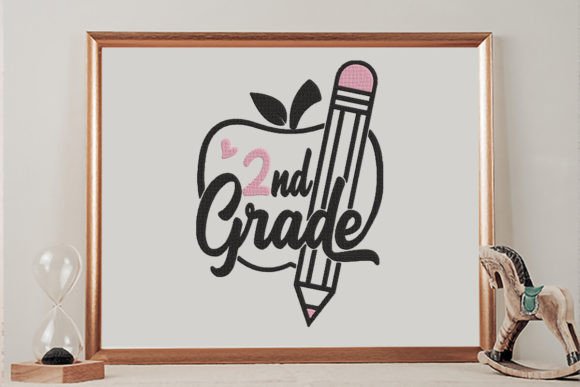
As an embroidery designer who has spent years digitizing and reviewing files for commercial use, I approach every new machine embroidery design with a critical eye. It is not just about whether a motif looks cute on a screen; it is about how it performs in the hoop, how it translates to a finished product, and ultimately, how it serves the brand identity of the small business owner purchasing it. Today, I am taking a close look at the 2nd Grade Apple Pencil design. This piece falls squarely into the Back To School category, but its utility extends far beyond the classroom, offering significant potential for boutique merchandise and branded apparel.
First Impressions: Whimsy Meets Professionalism
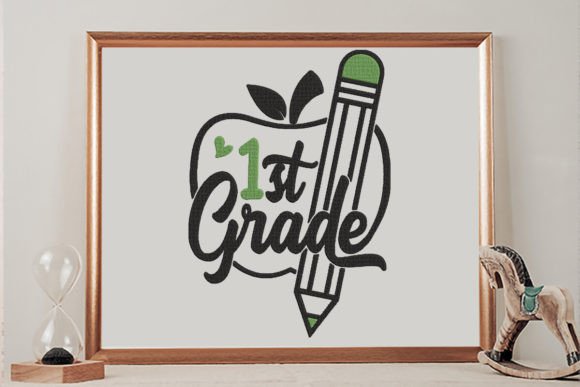
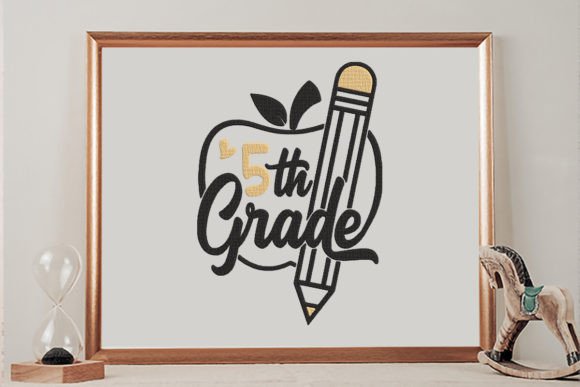
The initial visual impact of the 2nd Grade Apple Pencil is undeniably charming. The description promises a "touch of charm" and a "fun and whimsical accent," and the design delivers on this premise. For a small business owner, particularly those in the education, childcare, or creative studio sectors, this aesthetic is gold. It feels friendly and approachable, striking a balance between playful and polished. It does not scream "amateur"; rather, it suggests a curated, handmade quality that customers increasingly value in an era of mass-produced goods.
However, from a technical standpoint, "whimsical" can sometimes be code for "complex." My primary concern with any design featuring pencil motifs or apple shapes is the integrity of the lines. Does the design rely on tiny, fragile satin stitches that might snag? Or does it utilize robust fill stitches that hold up to wear and tear? While the specific stitch count and density are not provided in the brief description, the promise of versatility across t-shirts, towels, and home decor suggests a medium-density digitization. This is a positive sign, indicating that the file is likely optimized for general-purpose fabrics rather than being too heavy for lightweight cottons or too sparse for thick towels.
Strategic Applications for Small Business Merchandise
For Etsy sellers, crafters, and local boutiques, the 2nd Grade Apple Pencil is more than just a decorative element; it is a versatile asset for building a cohesive product line. Here is how I envision this digital embroidery file performing in real-world commercial scenarios:
- Branded Patches: This is perhaps the strongest use case. Embroidered patches are trending heavily in small business merch. By stitching this design onto twill or felt backing, you create a durable, removable badge. These can be sold as standalone accessories or applied to denim jackets, canvas bags, and hats. The apple and pencil motif works exceptionally well for teacher appreciation gifts or back-to-school bundles.
- Staff Uniforms and Aprons: For bakeries, florists, or art studios, staff apparel is a walking billboard. An apron embroidery featuring this design adds a layer of professionalism and warmth. It signals to customers that the staff is creative and attentive. Placing the design on the chest pocket area of a work shirt or apron creates a subtle yet effective brand marker.
- Tote Bag Design: Canvas tote bags are a staple for handmade brands. The 2nd Grade Apple Pencil can serve as a central graphic or a corner accent. Because towels are mentioned in the product description, we can infer the design handles looped fabrics well, which translates positively to textured canvas totes. Ensure you use a cut-away stabilizer to prevent puckering on these larger surfaces.
- Cap Embroidery: Custom caps are high-margin items. However, curved surfaces are tricky. If you plan to use this for cap embroidery, you must verify the hoop size compatibility. A standard front-panel hoop is usually required. The design’s "whimsical" nature fits well with the casual vibe of dad hats or structured baseball caps sold in boutique settings.
Navigating Technical Challenges and Fabric Textures
While the aesthetic appeal is strong, successful commercial embroidery requires technical diligence. When integrating the 2nd Grade Apple Pencil into your product line, consider the following constraints:
Fabric Texture and Stabilizer Choice: The description mentions towels, which implies the design can handle some texture. However, if you are stitching on plush towels or rough canvas, the details of the pencil or the apple leaf might get lost. Always test on your specific fabric. Use a water-soluble topping for towels to keep stitches from sinking into the pile. For t-shirts, a soft cut-away stabilizer is essential to maintain the shape of the design after repeated washing.
Scale and Legibility: One common mistake in small business merch is shrinking a design too much. If you intend to use this as a small chest logo or on a child’s garment, check the minimum viable size. Tiny lettering or intricate outlines can become a mess of thread if scaled down below the digitizer’s intended limits. Before running a full production batch, stitch out a sample at your smallest intended size to ensure the "charm" doesn't turn into clutter.
Thread Color Contrast: To maximize visual impact, pay attention to thread colors. An apple and pencil design relies on contrast. If you are stitching on dark uniforms, ensure you have enough light-colored threads to make the design pop, or consider using a white underlay and backing to enhance visibility. Creating a printable mockup with different thread palettes can help you decide which colorways best align with your brand identity before you commit to physical samples.
Enhancing Brand Identity and Customer Trust
In the world of handmade products, consistency is key to building trust. The 2nd Grade Apple Pencil can serve as a recognizable visual anchor for your brand. Whether used on packaging inserts, thank-you cards (if printed), or directly on merchandise, consistent use of this motif helps customers recognize your work. It adds a layer of perceived value; a simple t-shirt becomes a "custom apparel" piece, and a plain tote becomes a designer accessory.
Furthermore, using high-quality design assets like this reflects professionalism. Customers can often tell the difference between a poorly digitized file that pulls and puckers and one that lies flat and clean. By choosing a design that is described as suitable for various home decor and apparel items, you are signaling that you care about the quality of the final product. This attention to detail fosters customer loyalty and encourages repeat business.
Practical Designer Notes for Production
Before you launch this design into your store, follow these steps to ensure a smooth production process:
- Verify File Formats: The product description cuts off before listing specific file types. Ensure you receive the correct format for your machine (e.g., PES, DST, JEF). Check with the seller if your specific machine format is included.
- Check Commercial Licensing: Always confirm that the license allows for physical product sales. Most digital embroidery files come with a commercial use license, but it is crucial to read the terms to avoid legal issues.
- Test Stitch-Outs: Never skip the test phase. Stitch the design on the actual fabric you plan to sell. Check for thread breaks, nesting, or registration issues.
- Create Mockups: Use digital tools to place the design on various products. This helps in marketing and allows you to visualize the scale before embroidery begins.
- Consider Seasonality: While categorized as Back To School, this design’s whimsical nature makes it suitable for year-round sales, especially for teachers, librarians, and artists. Market it accordingly to extend its sales lifecycle.
In conclusion, the 2nd Grade Apple Pencil is a promising addition to any embroidery designer’s library. Its blend of charm and versatility makes it ideal for small business owners looking to add a personal touch to their merchandise. By paying attention to technical details like stabilizer choice, fabric texture, and scale, you can transform this digital file into a high-value physical product that enhances your brand identity and delights your customers.