Second Grade, Back to School: A Designer’s Review
As an embroidery designer who spends more time at the sewing machine than I do sleeping, I approach every new machine embroidery design with a critical eye. It is not just about whether the file runs smoothly; it is about whether the final finished product will stop a customer in their tracks at a busy weekend craft fair. Recently, I loaded up the Second Grade, Back to School design to test its viability for my upcoming market season. This review breaks down exactly how this design performs, where it shines, and what you need to know before turning it into a profitable handmade product.
First Impressions and Visual Appeal
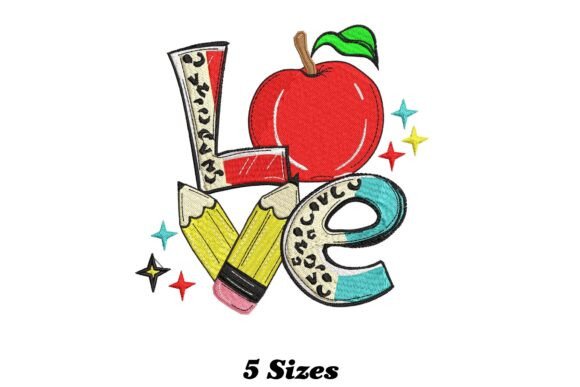
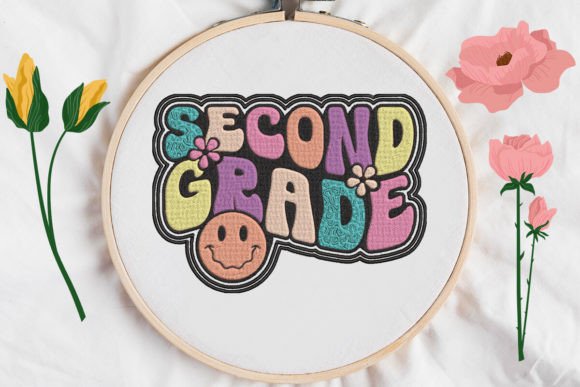
The moment I saw the preview of Second Grade, Back to School, I noted its potential for high-impact visibility. In the crowded niche of Back To School merchandise, clarity is king. Parents and grandparents are looking for items that clearly celebrate a specific milestone. This design feels bold and celebratory, striking a balance between playful and legible. It does not rely on overly intricate details that might get lost from a distance, which is crucial for booth displays.
For a Etsy seller or boutique maker, the visual appeal here lies in its versatility. It feels modern enough for contemporary apparel yet classic enough for traditional home decor. The design avoids being overly "cute" in a way that limits its lifespan, making it a strong contender for a small shop product line that needs to appeal to a broad demographic of second-grade families.
Product Viability: Where This Design Sells Best
When planning my craft fair table, I tested Second Grade, Back to School on various blanks. Not every surface is created equal, and understanding where this embroidery file performs best can save you hours of wasted thread and fabric.
- Tote Bags and Market Bags: This is arguably the strongest application. A canvas tote provides a flat, stable surface that allows the design to breathe. As a tote bag design, it serves as a functional statement piece for carrying library books or gym clothes. The large surface area ensures the text remains readable even from across the aisle.
- Aprons and Tea Towels: Kitchen textiles are perennial favorites. For apron embroidery, placing the design on the bib creates a focal point that parents love for photo ops on the first day of school. Similarly, tea towel embroidery offers a lower-price-point item that is easy to batch produce. However, ensure your stabilizer is robust enough to handle the weave of the towel.
- Caps and Hats: While popular, curved surfaces require caution. If you choose to embroider this on a cap, ensure the design width fits within your hoop capabilities without distorting the lettering. The design must be scaled appropriately to maintain clarity on the smaller, curved canvas.
- Embroidered Patches: Creating iron-on or sew-on patches is a fantastic way to utilize this design for customers who already have jackets or bags. An embroidered patch allows for dense stitching on a sturdy twill background, resulting in a premium, durable accessory.
Production Practicality for Craft Fair Sellers
From a production standpoint, Second Grade, Back to School appears to be designed with efficiency in mind. For those of us running commercial embroidery operations, repeatability is essential. The design seems straightforward enough to run multiple hoops in succession without excessive trimming or complex color changes that slow down workflow.
Photography is another critical factor. This design photographs well because of its clear lines and likely high-contrast potential. When creating listings for your online store, a clean, well-lit photo of this design on a neutral fabric can serve as an excellent printable mockup base or primary listing image. It communicates the value proposition instantly: this is a celebratory item for a specific grade level.
Technical Considerations and Careful Use
While the design is promising, successful execution depends on technical precision. Here are the key areas where you must pay attention to avoid costly mistakes:
- Stitch Density and Fabric Texture: Always check the stitch density relative to your chosen material. On thick fabrics like denim or heavy canvas, the design should hold up well. However, on lighter fabrics, high density can cause puckering. Always use the appropriate stabilizer—cut-away for stretchy fabrics and tear-away for stable wovens.
- Thread Colors and Contrast: The success of this design hinges on contrast. If you are embroidering on dark fabric, ensure you have bright, vibrant thread colors that pop. Conversely, on white tote bags, darker threads will provide the necessary readability. Test your color combinations on scrap fabric before committing to your final inventory.
- Hoop Size and Scaling: Confirm the recommended hoop size for this file. Do not attempt to scale the design down significantly if it contains small lettering, as this can lead to thread breaks and illegible text. The design needs space to maintain its integrity.
- Small Details: Inspect the design for any tiny elements that might not stitch out cleanly on textured towels or loosely woven fabrics. If the design includes fine lines, consider using a water-soluble topping to prevent the stitches from sinking into the fabric texture.
Enhancing Brand Consistency and Buyer Engagement
Using a cohesive design like Second Grade, Back to School helps strengthen your brand identity. When customers see a consistent style across your tote bags, aprons, and patches, it signals professionalism and quality. This consistency builds trust, which is vital for converting browser interest into sales.
Furthermore, this design aids in buyer engagement. It invites conversation. A parent seeing this design is likely to stop and ask, "Do you have one for third grade?" or "Can you customize the name?" This interaction is the heartbeat of craft fair sales. By offering a clear, attractive design, you open the door to upselling customizations or bundling items, such as pairing a tote bag with a matching pencil pouch.
Final Designer Notes for Success
Before you launch this design into your product lineup, take these final steps to ensure quality:
- Test on Scrap Fabric: Never skip the test stitch. Run the design on the exact fabric type you plan to sell.
- Check Licensing: Always confirm the commercial licensing terms of your digital embroidery file. Ensure you have the right to sell finished products made with this design.
- Create Real Mockups: Instead of relying solely on digital previews, create at least one physical sample. Photograph it in natural light to showcase the true texture and sheen of the threads.
- Verify File Details: Since specific technical data like exact stitch count or supported formats was not provided in the initial description, check the download package carefully. Ensure the file format is compatible with your machine before purchase.
In conclusion, Second Grade, Back to School is a strong candidate for your craft fair product lineup. It balances aesthetic appeal with production practicality, making it a reliable choice for design assets aimed at the back-to-school market. With careful attention to stabilizer choice, thread contrast, and fabric selection, this design can become a staple in your seasonal collection, driving both foot traffic at fairs and clicks in your online store.